How to Foster Inclusivity in Social Music Events
Creating an inclusive environment for social music events is essential for attracting a diverse audience, particularly those aged 40-60. This article explores effective strategies, supported by research, that can improve inclusivity in these settings.
Understanding the Importance of Inclusivity
Inclusivity in social music events not only enriches the experience for attendees but also helps organizers tap into a broader demographic. Research indicates that diverse audiences contribute to a more vibrant atmosphere, enhancing creativity and engagement. According to a study by the International Journal of Arts Management, events that prioritize inclusivity often see increased attendance and positive feedback from participants.
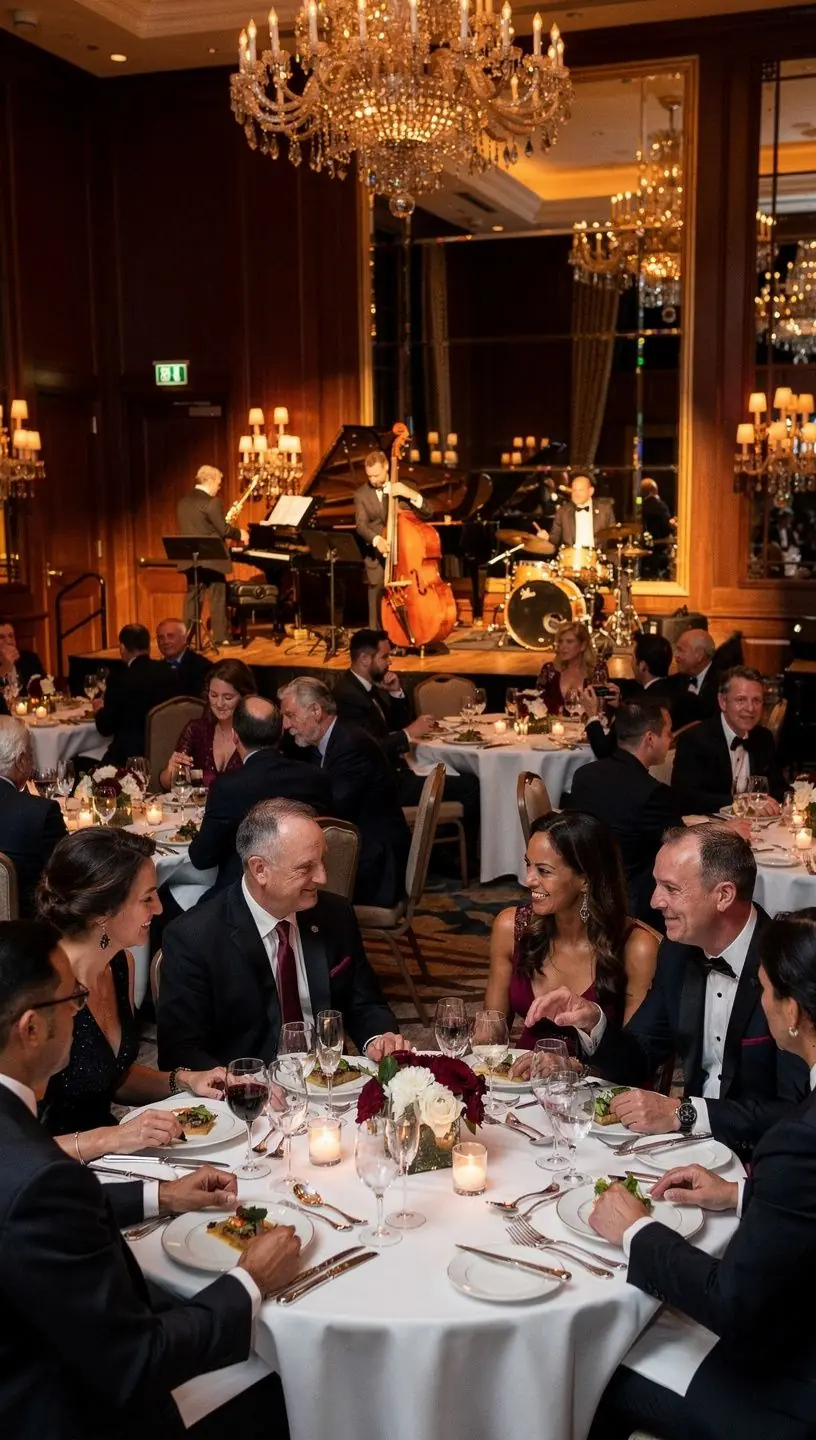
"Inclusivity is not just a moral imperative; it is a strategic advantage in the competitive landscape of entertainment." – Industry Expert
Key Strategies for Fostering Inclusivity
- Engage Diverse Talent: Collaborating with artists and performers from various backgrounds can help create a more inclusive atmosphere. Many experts recommend featuring a mix of genres and artists, which often resonates with wider audiences.
- Accessibility Considerations: Ensuring your venue is physically accessible is a critical step. This includes wheelchair access, seating options for those with mobility challenges, and clear signage. The Americans with Disabilities Act (ADA) outlines best practices that can be followed to enhance accessibility.
- Community Involvement: Involve local communities in the planning process to understand their needs better. Research shows that events co-created with target audiences typically yield higher satisfaction rates.
- Promoting a Safe Environment: Establishing clear policies against harassment and discrimination is crucial. Many event organizers find that promoting an atmosphere of respect and safety can significantly enhance inclusivity.
Creating Inclusive Programming
Programming is a vital aspect of inclusivity. Here are some practical approaches:
- Themed Nights: Incorporate themed nights that celebrate different cultures or music genres. This can attract diverse groups and create a sense of belonging.
- Educational Workshops: Hosting workshops that educate attendees about different musical styles promotes understanding and appreciation across diverse audiences.
- Feedback Mechanism: Regularly seeking feedback from attendees can help identify areas for improvement. Surveys and suggestion boxes can be effective tools in gathering insights.
Challenges and Limitations
While fostering inclusivity is beneficial, it requires commitment and effort. Implementing these strategies typically takes time, often several events to fully integrate. Additionally, organizers must be prepared for varying levels of engagement from different community segments. There may also be financial constraints that limit the ability to implement all recommended strategies.
It's also important to acknowledge that some methods may not resonate with every audience. For instance, themed events might attract some groups while alienating others. Therefore, it’s essential to evaluate feedback continuously and adjust programming as necessary.
Conclusion
Fostering inclusivity in social music events is a multi-faceted process that can enhance the experience for all attendees. By implementing diverse programming, ensuring accessibility, and engaging local communities, event organizers can create welcoming environments. While challenges exist, the potential benefits in audience satisfaction and engagement make these efforts worthwhile. Remember, the journey toward inclusivity is ongoing, requiring regular assessment and adaptation to meet the community's evolving needs.
Learn More