Exploring Music Genres Popular Among Older Adults
As we age, our music preferences often evolve, shaped by memories, cultural influences, and social interactions. This article explores the genres that resonate with older adults, the reasons behind their popularity, and how music can play a vital role in leisure activities and community bonding.
Understanding the Appeal of Music Genres
According to research, music has a profound impact on our emotions and well-being. For many older adults, genres like classic rock, jazz, and country often evoke nostalgic feelings and cherished memories. These genres are not just entertainment; they often serve as a means of connecting with others and enhancing social interactions.

"Music can trigger memories and emotions, creating a sense of belonging and community among older adults." – Music Therapist
Popular Music Genres Among Older Adults
While preferences can vary widely, several genres consistently show popularity among older adults:
- Classic Rock: Many users report that artists from the 60s and 70s, such as The Beatles and The Rolling Stones, provide a comforting backdrop to their lives.
- Jazz: This genre often appeals due to its improvisational nature and rich history, offering both relaxation and stimulation.
- Country: Often characterized by storytelling, country music typically resonates with older adults, reflecting life experiences and values.
- Blues: With its roots in expressing deep emotions, blues music can be a powerful auditory experience for many.
Benefits of Engaging with Music
Engaging with music is not only entertaining but also comes with several benefits for older adults:
- Emotional Well-being: Studies show that listening to music can help reduce feelings of depression and anxiety.
- Cognitive Function: Research indicates that music can stimulate brain function and support memory retention, especially in older adults.
- Social Connections: Many experts recommend participating in musical activities, such as themed nights and social clubs, to foster community bonds.
Creating a Musical Community
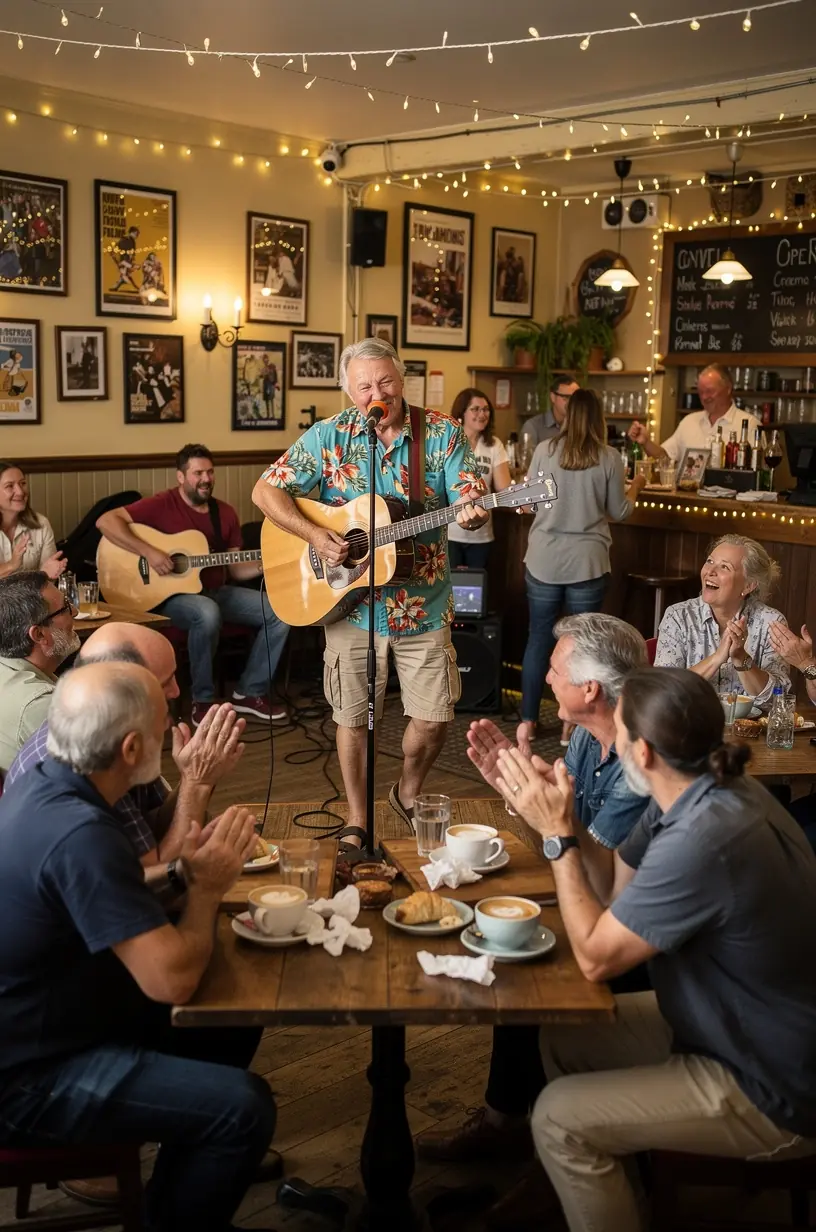
In many cases, the enjoyment of music extends beyond personal preference. Community events, like concerts and themed nights, can significantly enhance social engagement. These events typically take place in local venues and provide a platform for older adults to connect with like-minded individuals.
To create a successful musical community, consider the following steps:
- Organize regular events featuring genres popular among the target audience.
- Encourage participation by offering opportunities for attendees to share their favorite music.
- Incorporate a variety of music-related activities, such as dancing, singing, or even music trivia.
Conclusion
Exploring music genres popular among older adults can significantly enhance their quality of life. Engaging with music not only provides enjoyment but also opens doors to emotional healing and social connectivity. By fostering community through music, we can create environments that support the well-being and happiness of older adults in meaningful ways.